
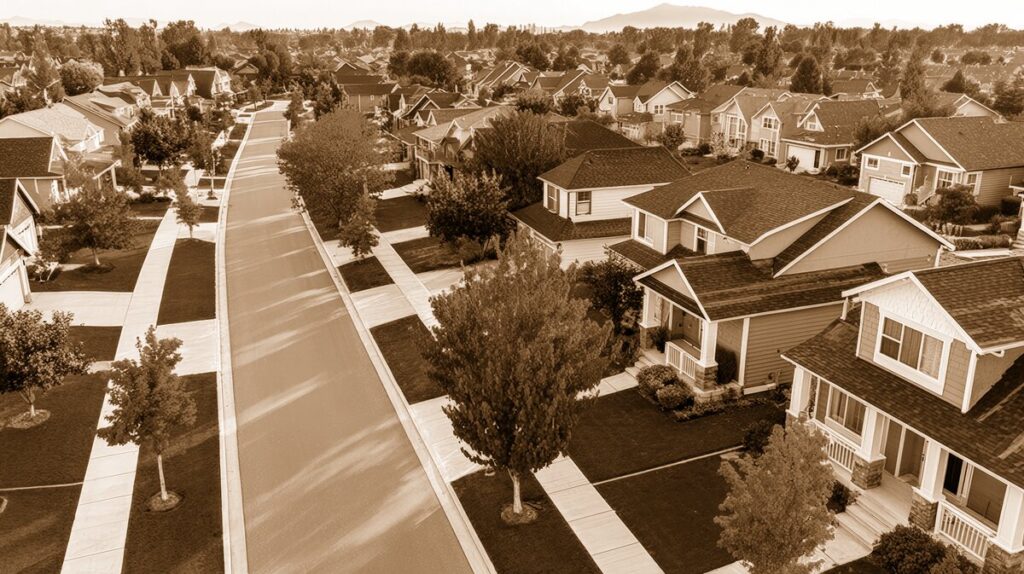
South Park, nestled just east of Balboa Park, has always been a neighborhood that emanates character, warmth, and community spirit. For over a century, its tree-lined avenues, Craftsman bungalows, and locally owned shops have made it a beloved part of San Diego. Whether you’re new to the area or a lifelong resident, there’s a unique story behind every corner. Let’s take a journey through South Park’s rich history and discover what makes it so special.
Early Beginnings: A Vision on the Edge of the Park
The area we now know as South Park began to take shape in the early 20th century. Before there were coffee shops and art galleries, the land was open mesa—rolling terrain to the southeast of Balboa Park. In 1870, the city of San Diego laid out plans for expansion, but it wasn’t until 1905 that real momentum started.
Developers E. Bartlett Webster and William Clayton Oakley saw potential in this “suburban” expanse and formed the South Park and East Side Railway, linking the area to downtown via a streetcar running up 30th Street. It was this streetcar connection that truly gave South Park its lifeblood and made it possible for working families to settle in the neighborhood.
Naming the Neighborhood: Inspired by Its Green Neighbor
South Park got its name for the simplest of reasons: its proximity to the grand Balboa Park, San Diego’s iconic greenbelt. Resting quite literally to the south of the park, the moniker “South Park” first appeared in advertisements for new home sites in the early 1900s. The name quickly stuck, conveying a close relationship to Balboa Park’s lush spaces and recreational opportunities.
Key Historical Milestones
South Park’s growth mirrored the changes sweeping through San Diego:
- The Streetcar Era (1906-1949): The arrival of the streetcar encouraged rapid growth. By the 1920s, South Park was a thriving streetcar suburb, with many homes and businesses popping up along 30th Street and Fern Street.
- Craftsman & Spanish Revival Homes: The neighborhood became a showcase for early 20th-century architecture, with rows of Craftsman bungalows, Spanish Colonial Revival houses, and Mission-style cottages—many of which still stand today, lending the area its timeless charm.
- The Great Depression and Postwar Era: Like much of San Diego, South Park weathered hard times during the 1930s and 1940s, but community institutions such as the historic Rose Grocery (now The Rose Wine Bar) and the South Park Abbey (formerly a tire shop, now a lively pub) helped anchor the neighborhood.
- Historic District Recognition: In 2017, portions of South Park were designated as a historic district by the City of San Diego, preserving its architectural gems and neighborhood character for generations to come.
Notable Landmarks and Institutions
South Park’s identity is grounded in its buildings and public spaces, many of which have their own stories to tell:
- Albert Einstein Academies (3035 Ash St.): This innovative public school campus is a modern pillar of the community, inhabiting the historic Davy Building, an elegant example of Spanish Revival architecture from the 1930s.
- The Big Fig (corner of 30th & Fir): This majestic 80-foot-tall Moreton Bay Fig tree is a living landmark, believed to have been planted around 1910 and lovingly protected by residents ever since.
- South Park Walkabout: While not a physical building, this quarterly event is a highlight of neighborhood life, celebrating South Park’s walkability with open houses, live music, and local artisan showcases.
- Juniper Canyon and Grape Street Dog Park: Parks on the neighborhood’s western edge invite play and relaxation, providing views of downtown and the mountains beyond.
From Sleepy Suburb to Urban Hotspot
As the years rolled on, South Park witnessed waves of change. During the mid-20th century, South Park saw some decline as families moved further afield and the streetcar lines closed. But determined residents never let its spirit fade. Starting in the 1990s, new energy flooded the area.
Restorations of historic homes began in earnest, and a wave of independent small businesses popped up on Fern and 30th Streets. Today, you’ll find popular cafes like Cafe Madeleine, quirky shops like Bad Madge & Company, and cozy gathering spots like The Rose Wine Bar—a far cry from the chain stores found elsewhere in the city.
The neighborhood’s passionate embrace of its past, from the preservation of original facades to the celebration of older architectural styles, has made it a model for urban revitalization. South Park is now admired as one of San Diego’s best-preserved examples of a streetcar suburb.
Community Traditions: Events and Everyday Life
Community is at the heart of South Park’s enduring appeal. The South Park Business Group, local artists, and neighborhood organizers ensure that tradition and creativity go hand in hand. Highlights include:
- The quarterly South Park Walkabout draws locals and visitors to explore the area’s shops and eateries on foot.
- The annual Old House Fair, a celebration of the neighborhood’s historic homes, brings together preservationists and history buffs alike.
- Seasonal events at Grape Street Dog Park remind everyone that South Park is as pet-friendly as it is people-friendly.
The Spirit of South Park Today
Walking down Fern Street or along 30th, it’s hard not to feel a sense of pride in South Park’s unique mix of old and new. Residents greet each other on porches, children play under century-old trees, and the sounds of live music or laughter spill from the neighborhood bars and cafes. The local commitment to sustainability and community—seen in everything from neighborhood clean-up days to support for local farmers—continues to guide South Park’s evolution.
In a city as dynamic as San Diego, South Park remains a special enclave: a place where history is alive in the architecture, and community is woven into the daily rhythms of life. Its story is ongoing, shaped by everyone who chooses to call it home.